Many people wonder, is banana good for constipation? Can bananas cause constipation, or can they help relieve it? The answer can depend on the banana’s ripeness, the amount you eat, and your overall diet. Bananas contain dietary fiber and resistant starch, which can affect digestion and bowel movements differently depending on how ripe they are.
For most people, a ripe banana can be included as part of a balanced, fiber-rich diet. However, eating bananas alone is not a treatment for persistent constipation. Adequate fluids, regular physical activity, and a variety of fiber-rich foods are also important for healthy bowel movements.
Table of Contents
Are Bananas Good for Constipation?
Bananas contain dietary fiber, including soluble fiber, which can support normal bowel movements. A medium banana provides around 3 grams of fiber and also contains potassium and other nutrients.
However, the effect of bananas on constipation can vary. Some people may find ripe bananas helpful, while others may notice that bananas, particularly less-ripe ones, make their stools harder.
If you are constipated, it is better to include bananas as part of an overall high-fiber diet rather than relying on them alone.
Do Bananas Cause Constipation?
Bananas do not automatically cause constipation. However, unripe or green bananas contain more resistant starch, which can be harder for some people to digest and may contribute to constipation or bloating.
Ripe bananas are generally softer and contain more easily digestible carbohydrates. If you notice that bananas consistently make your constipation worse, try reducing the quantity and adding other fiber-rich fruits and vegetables to your diet.
Ripe or Unripe Bananas: Which Is Better for Constipation?
The ripeness of a banana can affect how it interacts with digestion.
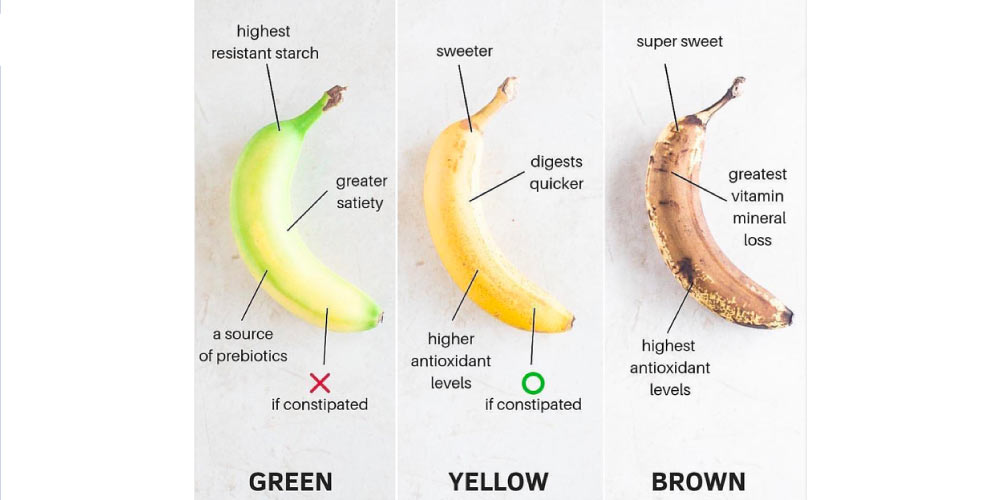
- Green bananas: Unripe bananas contain more resistant starch. In some people, consuming large amounts may contribute to bloating or make bowel movements more difficult.
- Yellow bananas: Ripe yellow bananas are softer and contain soluble fiber, making them an easier option for many people to include in their diet.
- Brown-spotted bananas: As bananas become more ripe, their starches are converted into sugars and the fruit becomes softer and sweeter. They can still be part of a balanced diet, although they are not a proven treatment for constipation.
How Can Bananas Help With Constipation?
Bananas may support digestive health in several ways:
- They provide dietary fiber: Fiber adds bulk to stool and can support regular bowel movements.
- They contain soluble fiber: Ripe bananas contain soluble fiber that can help maintain a healthy stool consistency when consumed as part of a balanced diet.
- They provide potassium: Bananas are a good source of potassium, an important mineral needed for normal muscle function, including the muscles involved in digestion.
- They are easy to include in meals: Bananas can be eaten alone or combined with other nutritious, fiber-rich foods.
How to Eat Bananas for Constipation Relief?
If you enjoy bananas and they do not worsen your symptoms, you can include a ripe banana in your daily diet. However, eating several bananas a day is not necessary to relieve constipation. Too much of any single food can reduce the variety of nutrients and fiber you get from your diet.
Eat a Ripe Banana
Choose a ripe yellow banana and have it as part of breakfast or as a snack. Pairing it with other fiber-rich foods, such as oats, chia seeds, nuts, or other fruits, can help increase the overall fiber content of your meal.
Banana With Yogurt
You can combine sliced ripe banana with plain yogurt and other nutritious ingredients such as oats or chia seeds. Yogurt can be part of a healthy diet, while the added ingredients can provide additional fiber.
Banana With Nut Butter
Sliced banana can be paired with peanut or other nut butter for a filling snack. Choose unsweetened nut butter when possible and avoid this option if you have a relevant food allergy.
Is Banana Good for Constipation in Babies?
Bananas can be introduced as part of complementary foods when a baby is developmentally ready, which is generally around 6 months of age. Soft, ripe banana can be mashed or offered in an age-appropriate form.
However, bananas do not necessarily relieve constipation in every baby. Some babies may become constipated after eating certain foods, while others may tolerate them without any problem. When introducing banana or any new food, start with a small amount and observe how your baby responds.
If your baby has persistent constipation, blood in the stool, vomiting, a swollen abdomen, poor feeding, or appears unusually unwell, consult a pediatrician rather than relying on home remedies.
Also Read:Care for 6 Months Old Constipated Baby
Is Banana Shake Good for Constipation?
There is no strong evidence that a banana shake specifically treats constipation. Whether it helps depends largely on the ingredients and the individual’s digestion.
A shake made with banana and milk may be suitable for people who tolerate dairy well, but milk itself does not provide much dietary fiber. If you are trying to increase fiber intake, adding ingredients such as oats, chia seeds, or ground flaxseed can make the drink more fiber-rich.
Some people may experience bloating, gas, or loose stools after consuming dairy products. If milk consistently causes digestive symptoms, consider discussing alternatives with a healthcare professional.
What Else Can You Eat for Constipation?
Instead of depending on one food, focus on a varied diet containing different sources of dietary fiber. Helpful options include:
- Oats and whole grains
- Apples, pears, berries, and other fruits
- Vegetables and leafy greens
- Beans, lentils, and other legumes
- Chia seeds and flaxseeds
- Nuts and seeds
Increase fiber gradually and drink enough fluids. A sudden increase in fiber without adequate fluid intake can sometimes worsen bloating or constipation.
When Should You See a Doctor for Constipation?
Occasional constipation is common, but persistent or recurrent constipation should not be ignored. Consult a doctor if constipation continues despite dietary and lifestyle changes or keeps coming back.
Seek medical attention promptly if constipation is accompanied by severe or persistent abdominal pain, vomiting, blood in the stool, unexplained weight loss, significant abdominal swelling, or an inability to pass stool or gas.
Key Takeaway
So, is banana good for constipation? A ripe banana can be a healthy source of fiber and can be included in a balanced diet, but it is not a guaranteed remedy for constipation. Unripe green bananas contain more resistant starch and may make constipation or bloating worse for some people.
For better bowel health, combine a varied fiber-rich diet with adequate hydration, regular physical activity, and healthy bowel habits. If constipation persists or is accompanied by concerning symptoms, consult a doctor to identify the underlying cause.
- Also Read:How Chronic Constipation Affects Your Body
- Also Read:10 Yoga Poses for Chronic Constipation