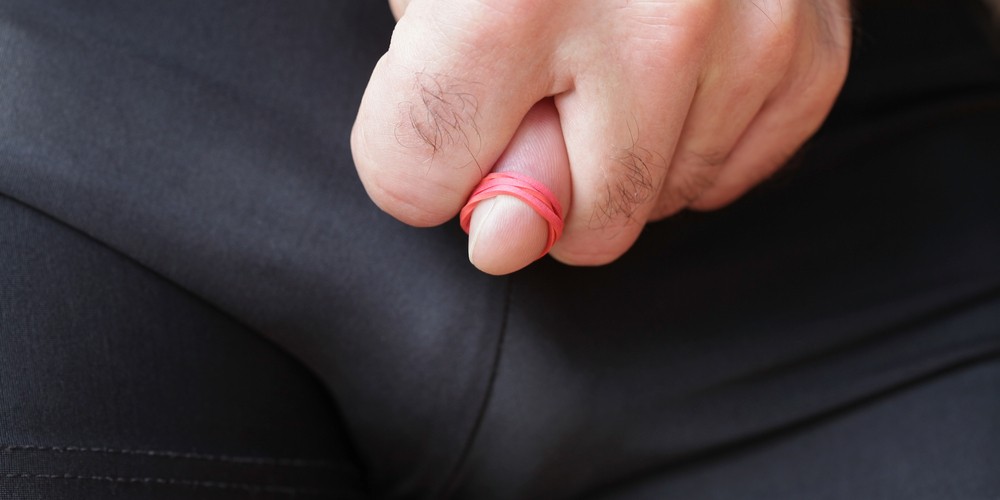
Phimosis is a condition in which the foreskin, the skin covering the head of the penis, is too tight to retract comfortably. It may cause difficulty while cleaning the penis, pain during an erection, discomfort during sexual activity, or problems with urination in some cases.
In selected cases, gentle foreskin stretching under medical guidance may help improve flexibility. However, stretching is not suitable for every type of phimosis. If the tightness is caused by scarring, repeated inflammation, or infection, exercises alone may not resolve the problem.
Before trying any exercise, consult a urologist to understand the cause of the tight foreskin and choose an appropriate treatment plan. You can learn more about phimosis and its treatment options.
Table of Contents
Can Exercises Help Treat Phimosis?
Gentle stretching may help some people with mild phimosis by gradually improving the flexibility of the foreskin opening. It is generally considered only when a doctor confirms that stretching is appropriate.
Stretching should never cause pain, bleeding, or skin tears. Excessive force can create small injuries and scar tissue, potentially making the foreskin tighter. Exercises may also be less effective when the foreskin has become thickened or scarred.
Types of Phimosis Exercises
The following techniques describe general approaches to gentle stretching. They should be attempted only after a healthcare professional has assessed the condition and demonstrated the appropriate method.
1. Gentle Foreskin Retraction
If your foreskin can move slightly without pain, a doctor may recommend gently moving it backwards only as far as it comfortably allows.
- Wash your hands before touching the genital area.
- Move the foreskin gently without applying force.
- Stop if you experience pain, burning, bleeding, or discomfort.
- Never force the foreskin behind the head of the penis.
2. Gentle Stretching of the Foreskin Opening
In selected cases, a urologist may demonstrate how to apply gentle outward pressure to the opening of the foreskin. This may help improve flexibility over time.
- Use only the technique recommended by your doctor.
- Do not insert your fingers if the opening is too tight or painful.
- Avoid pulling or stretching until the skin becomes uncomfortable.
- Stop if the skin develops cracks, swelling, or bleeding.
3. Follow Your Doctor’s Instructions During Treatment
If your doctor prescribes a topical corticosteroid cream or ointment, they may recommend combining it with gentle stretching. The medicine can help reduce inflammation and soften the tight area in suitable cases.
Use the prescribed medicine only in the recommended amount and for the advised duration. Do not apply steroid creams without medical guidance.
Important Precautions While Doing Phimosis Exercises
- Avoid forceful stretching: Pulling the foreskin too hard can cause small tears, bleeding, and scarring.
- Do not stretch during an erection: An erection may increase tension on the tight foreskin and make stretching uncomfortable or unsafe.
- Never force retraction: Pulling the foreskin behind the head of the penis can cause paraphimosis, in which the foreskin becomes trapped.
- Maintain hygiene: Clean the area gently with water. Do not force the foreskin back to clean underneath it.
- Avoid unverified stretching devices: Do not use silicone tunnels, rings, or other devices unless a urologist specifically recommends them.
- Stop if symptoms worsen: Pain, swelling, cracks, bleeding, or discharge need medical assessment.
When Should You Consult a Doctor for Phimosis?
Consult a urologist if you experience any of the following symptoms:
- You cannot retract your foreskin comfortably.
- You experience pain during erections or sexual activity.
- You notice redness, swelling, itching, or repeated inflammation.
- You have difficulty passing urine or notice a weak urinary stream.
- You experience repeated infections around the foreskin or head of the penis.
- Your foreskin has become increasingly tight or developed visible scars.
Seek emergency medical care if your foreskin gets pulled behind the head of the penis and becomes stuck, especially if the head becomes swollen or painful. This may indicate paraphimosis, which requires urgent treatment.
Medical Treatment Options for Phimosis
The appropriate treatment depends on the severity of phimosis, its underlying cause, symptoms, and whether scarring or infection is present.
1. Prescription Steroid Cream
For some cases of phimosis, a doctor may prescribe a topical corticosteroid cream or ointment. It can help soften the tight foreskin tissue and improve its flexibility. A doctor may recommend gentle stretching alongside the medication.
2. Treatment of Infection or Inflammation
If phimosis is associated with an infection or inflammation, the doctor may prescribe treatment according to the underlying cause. Repeated inflammation should be evaluated because it can contribute to foreskin scarring.
3. Circumcision
Circumcision is a surgical procedure in which the foreskin is removed. It may be recommended when phimosis is severe, associated with significant scarring, or does not improve with suitable non-surgical treatment.
A urologist can explain the benefits, risks, alternatives, and recovery considerations before surgery. The procedure is not necessary for every person with phimosis.
Frequently Asked Questions About Phimosis Exercises
1. Can phimosis be treated with exercises?
Gentle stretching may help some people with mild phimosis, but it is not suitable for every case. A urologist should assess the condition before recommending exercises.
2. Should I perform phimosis exercises with or without an erection?
Do not perform stretching exercises during an erection. Follow your doctor’s instructions and avoid any movement that causes pain or excessive tension.
3. Can stretching exercises make phimosis worse?
Yes. Forceful or inappropriate stretching can cause small tears and scarring, which may worsen tightness. Stop if you experience pain, bleeding, or skin damage.
4. Can I cure phimosis without surgery?
Some cases can improve with prescription steroid treatment and gentle stretching under medical supervision. However, severe or scar-related phimosis may require a surgical option.
5. Is it safe to use oil or lubricant for foreskin stretching?
A suitable lubricant may reduce friction, but it does not treat the underlying cause of phimosis. Ask your doctor before using any product or attempting stretching.
6. When does phimosis require urgent medical attention?
If the foreskin becomes trapped behind the head of the penis and cannot be brought forward, seek emergency medical care. Severe swelling, pain, or difficulty urinating also requires prompt assessment.
Final Thoughts
Phimosis exercises may help improve foreskin flexibility in selected cases, but stretching should always be gentle and medically appropriate. Avoid forceful retraction, unverified devices, and self-treatment with prescription creams.
If you have persistent tightness, pain, recurrent infections, or difficulty urinating, consult a urologist. Early evaluation can help identify the cause and determine whether medication, supervised stretching, or a surgical procedure such as circumcision is appropriate.
Also Read: