Select City

Blurred vision, glare from lights, or difficulty seeing at night could be signs of a cataract. Cataracts are one of the leading causes of vision impairment, especially in older adults, but they are highly treatable with modern cataract surgery. At Pristyn Care, our experienced ophthalmologists offer advanced cataract treatment using minimally invasive techniques and high-quality intraocular lenses (IOLs) to restore clear vision with faster recovery.
Blurred vision, glare from lights, or difficulty seeing at night could be signs ... Read More




Free Cab Facility

No-Cost EMI

Support in Insurance Claim

1-day Hospitalization

USFDA-Approved Procedure
Choose Your City
It help us to find the best doctors near you.

Bangalore
Chennai
Coimbatore
Delhi
Hyderabad
Indore
Madurai
Mumbai
Noida
Patna
Pune
Delhi
Hyderabad
Pune
Mumbai
Bangalore
 C-2/390, Pankha Rd, C4 D Block, Janakpuri
26, National Park Rd, near Moolchand Metro station, Vikram Vihar, Lajpat Nagar IV, Lajpat Nagar, New Delhi, Delhi 110024
Matriyash Kamalkunj, 1206/B3, off Jangali Maharaj Road, Deccan Gymkhana, Pune, Maharashtra 411004
Model Town, Delhi, 110033
C-2/390, Pankha Rd, C4 D Block, Janakpuri
26, National Park Rd, near Moolchand Metro station, Vikram Vihar, Lajpat Nagar IV, Lajpat Nagar, New Delhi, Delhi 110024
Matriyash Kamalkunj, 1206/B3, off Jangali Maharaj Road, Deccan Gymkhana, Pune, Maharashtra 411004
Model Town, Delhi, 110033
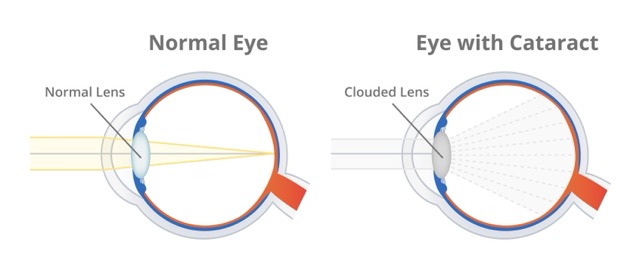
A cataract is the clouding of the eye’s natural lens, which blocks light from reaching the retina and causes blurred or hazy vision. While cataracts commonly develop as part of the natural ageing process, they can also occur due to diabetes, eye injuries, prolonged steroid use, excessive UV exposure, or certain medical conditions.
In the early stages, cataracts may not significantly affect vision. However, as the clouding progresses, daily activities such as reading, driving, or recognising faces become increasingly difficult. Cataract surgery is the only effective treatment to restore clear vision once symptoms begin interfering with your quality of life.
Disease name
Surgery name
Duration
Treated by
Free Cataract Surgery Cost Calculator
Fill details to get actual cost
| Basis | Traditional Cataract Surgery | Laser Cataract Surgery |
|---|---|---|
| Blade use | Surgeon use blade to make a hole in the eye for surgery. | No use of the blade in laser surgery. Everything is done through machines. |
| Surgery time | The procedure takes about 20-30 minutes per eye. | This procedure takes less than 5 minutes. |
| Blade-free | It's not 100% blade-free surgery. | It is 100% blade-free, with no pain and stitches during surgery. |
| Risk | It is slightly computer-controlled but has lots of risk factors. | Laser precision lowers the risk of human error. It improves overall safety, though minor complications may still occur. |
The following factors include both lifestyle choices and genetic predispositions:
Most people notice gradual changes in their vision over time. These symptoms can affect daily life as the condition worsens.
These symptoms include:
Different types of cataracts affect different parts of the eye lens.

Diet & Lifestyle Consultation

Post-Surgery Recovery Follow up

Free Cab Facility

24*7 Patient Support
Eye specialists carry out detailed exams to check lens clarity and eye health. These tests help determine the extent of clouding and its impact on vision:
1. Stage 1 (Initial)
Slight cloudiness develops that is often missed during routine activities. The symptoms are diagnosed using the specialised equipment during the assessment.
2. Stage 2 (Immature)
Blurred vision becomes noticeable. The glare sensitivity develops, and difficulty with night driving becomes more apparent.
3. Stage 3 (Mature)
The lens becomes heavily opaque. It causes significant vision loss that interferes with daily tasks, including recognising faces.
4. Stage 4 (Hypermature)
Liquefied lens proteins may cause inflammation or pressure problems. It needs prompt surgery to avoid complications and preserve eye health.
The type of surgery depends on cataract density and specific visual requirements.
Cataract surgery follows set steps to ensure safety and clear vision. It takes 15–30 minutes per eye as an outpatient procedure. Due to local anesthesia and modern techniques, most patients experience minimal discomfort.
The cataract eye surgery involves:
Modern cataract surgery has a high success rate and significantly improves vision and quality of life.
Benefits include:
Cataracts are common, but modern surgery reliably restores vision and improves daily life. Knowing symptoms, causes, and treatments helps patients make informed decisions. Early detection and timely surgery ensure the best outcomes for clear vision.
Book an appointment with a qualified ophthalmologist for an accurate diagnosis and treatment.
Symptoms of cataracts in one eye include blurred vision, increased glare sensitivity, difficulty seeing at night, and colors appearing faded or yellowed. Patients often notice differences in their vision between eyes during daily activities like reading or driving. The affected eye may also develop double vision or require frequent changes in eyeglass prescriptions as the cataract progresses.
While diet cannot completely prevent cataracts, foods rich in antioxidants, such as vitamins C and E, lutein, and zeaxanthin, may help delay their formation and slow progression. Leafy green vegetables, citrus fruits, and colorful produce provide nutrients that protect lens proteins from oxidative damage. However, genetic factors and aging are still the main causes of cataracts, regardless of dietary choices.
Most patients notice improved vision within a few days of surgery, with significant improvement during the first week. Complete healing usually takes 4 to 6 weeks, during which vision continues to stabilize and improve. Full recovery depends on individual factors, the surgical technique used, and how well patients follow the post-operative care instructions from their surgeon.
Currently, there are no scientifically proven eye drops or drugs that can treat or reverse cataracts. Although researchers are exploring non-invasive options, surgery remains the most effective solution after vision has been significantly impaired. Any product claiming to “dissolve” cataracts should be approached with caution due to a lack of clinical evidence.
Sudden cloudy vision in both eyes might indicate serious conditions beyond cataracts, including acute glaucoma, retinal detachment, or neurological issues. This symptom requires immediate medical evaluation as it could signal conditions that threaten permanent vision loss. Cataracts typically develop gradually over months or years, so a sudden onset suggests other urgent eye problems.
Post-surgery nutrition can support healing. Include fruits rich in vitamin C, leafy greens, whole grains, omega-3-rich fish, and drink plenty of water. Avoid high-sugar, processed foods that can increase inflammation. A light diet is best on the first day, with a gradual return to normal foods as comfort allows.
Early stage cataracts are diagnosed through thorough eye examinations, including slit-lamp microscopy, visual acuity testing, and dilated pupil examination. These specialized tests can detect changes in the lens before patients notice any symptoms or vision problems. Regular eye exams allow doctors to monitor cataract progression and recommend treatment when vision starts to interfere with daily life.
Surgery becomes necessary when cataracts interfere with daily activities like reading, driving, working, or enjoying hobbies, regardless of the size or appearance of the cataract. The decision is based on how much it affects a person’s life, not just clinical measurements. Most surgeons suggest surgery when vision cannot be properly corrected with glasses and significantly impacts independence.
Cataracts can occur in younger individuals due to genetic factors, eye injuries, steroid medications, diabetes, and congenital conditions present at birth. While less common than age-related cataracts, younger people can develop lens clouding from trauma, medical treatments, or inherited disorders. Children born with cataracts need prompt treatment to prevent lasting vision problems and ensure normal visual development.
Benefits of cataract surgery include restored clear vision, improved color perception, reduced glare sensitivity, and better night vision. Patients often experience greater independence in daily activities, improved safety while driving, and better overall quality of life. The surgery also removes the need for constant changes in eyeglass prescriptions due to progressive cataract development.


Machender

 Recommends
Doctor is very friendly and good experience and very kind in nature
Virendra singh
Recommends
Had a very satisfying visit to the clinic at affordable prices
Sampada Danke
Recommends
Dr.Chanchal is very cooperative .soft spoken .and understanding in nature.
Jatin
Recommends
Overall good & satisfactory advice
.svg)









.svg)
.svg)